Sea Otters
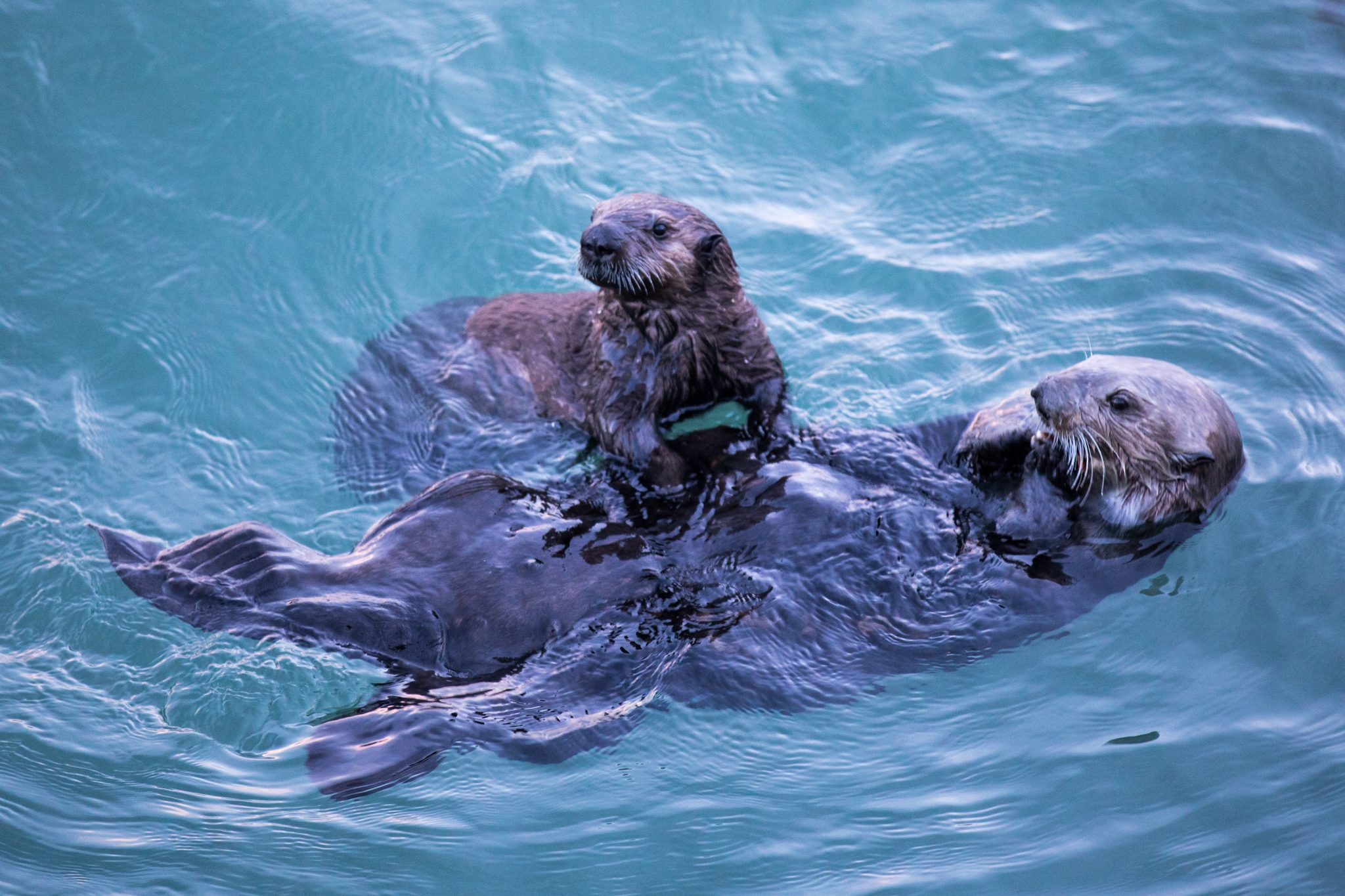
Southern sea otters rest in the kelp off Port San Luis, often in groups, sometimes with pups on board. Here's how to watch without bothering them.
- Where
- Kelp beds off Port San Luis and Harford Pier
- Best view
- From a kayak, a boat tour or the end of Harford Pier
- Pups
- Born mostly October to January
- Stay back
- At least 60 feet, about five kayak lengths
Southern sea otters live only along the central California coast and at San Nicolas Island off Southern California, and the kelp beds around Port San Luis are part of their home. On a calm morning you can find them floating in the kelp, resting in groups or diving for food.
Where to see them
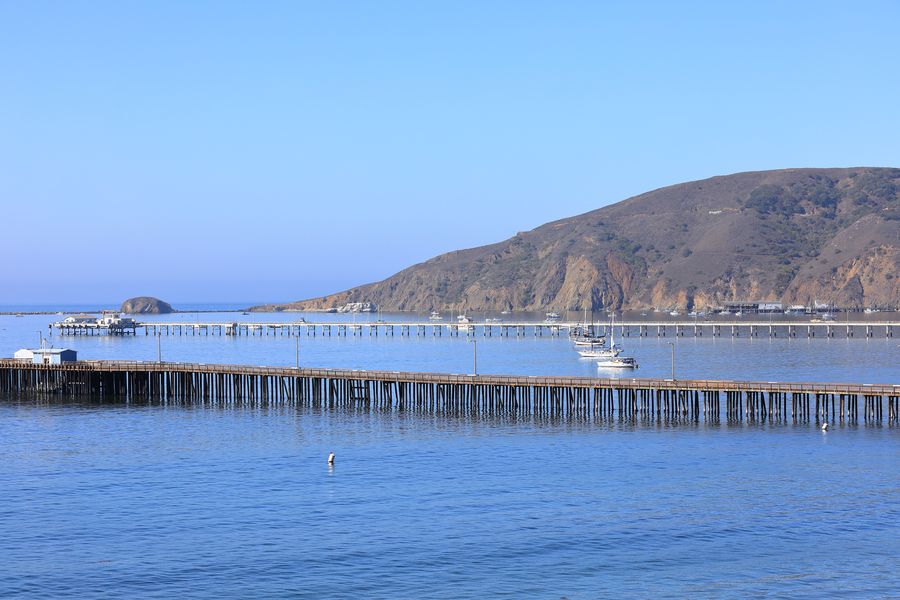
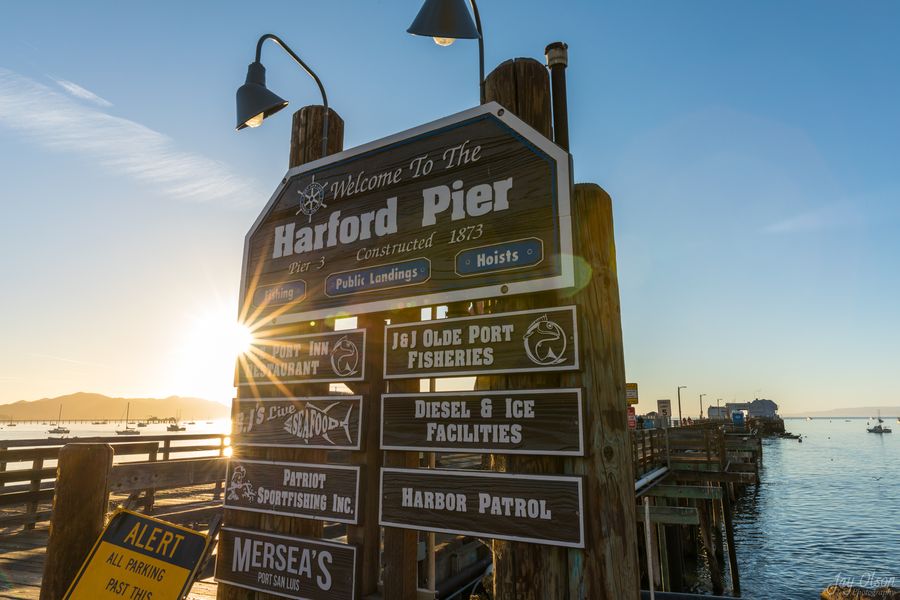
The kelp off Port San Luis and Harford Pier is the place to look. Tour boats from the pier often stop by the kelp forest when the ocean is too rough to go out for whales. In 2026, Avila Beach Whale Watching reported a raft of about 30 otters in late July, about 20 with several mothers and pups at the end of August, and "dozens of Sea Otters" in mid-October.
From shore, walk to the end of Harford Pier and scan the kelp with binoculars. For a closer view, rent a kayak or paddleboard at Port San Luis or join a guided paddle. See Kayak & Paddleboard. Boat trips are on the Whale Watching page.
How sea otters live
Otters eat bottom-dwelling animals like clams, crabs, sea urchins and snails. They're famous for using tools, usually a rock they use as a hammer or anvil to break open shells. To keep from drifting while they rest, they wrap themselves in kelp, and they usually rest in groups called rafts.
A female has one pup at a time and cares for it on her own for about six months. Around here, most pups are born from October to January, so fall and winter are the best time to see a mother with a pup.
There are only about 3,000 southern sea otters, a number that has grown slowly since they were protected in the 1970s.
Watching without disturbing them
The U.S. Fish and Wildlife Service asks paddlers to:
- Stay at least 60 feet away, about five kayak lengths.
- Pass parallel, moving slowly and steadily rather than pointing at the otters or stopping next to them.
- Back away if an otter notices you. A raised head looking your way is a warning. The next step is usually a dive.
- Never encircle a raft with boats or boards, which leaves the otters feeling trapped.
Disturbing a sea otter is against federal and state law, with fines up to $100,000. If you see an otter that looks sick or injured, keep back and call the West Coast Stranding Hotline at 1-866-767-6114.
Local tips
- Scan the kelp beds with binoculars. A resting otter looks like a small log with a head and paws sticking up.
- In a kayak, pass parallel to the otters at a steady pace instead of paddling straight at them or stopping.
- Keep your voice down. Noise from paddlers and people on shore can wake and scatter a raft.
- Never surround otters with boats or boards. They need a clear way out.
Frequently asked questions
Are there sea otters in Avila Beach?
Yes. Southern sea otters live in the kelp beds around Port San Luis. Tour boats and paddlers often see them, sometimes dozens at a time.
How close can you get to a sea otter?
The U.S. Fish and Wildlife Service asks kayakers to stay at least 60 feet away, about five kayak lengths. If an otter looks at you, you're already too close.
When do sea otters have pups?
Southern sea otter pups are born year-round, with a peak from October to January and a smaller one in March and April.
Is it illegal to bother a sea otter?
Yes. Southern sea otters are protected under the Endangered Species Act, the Marine Mammal Protection Act and California law. Getting close enough to change an otter's behavior can bring fines up to $100,000 and up to a year in jail.