Birds
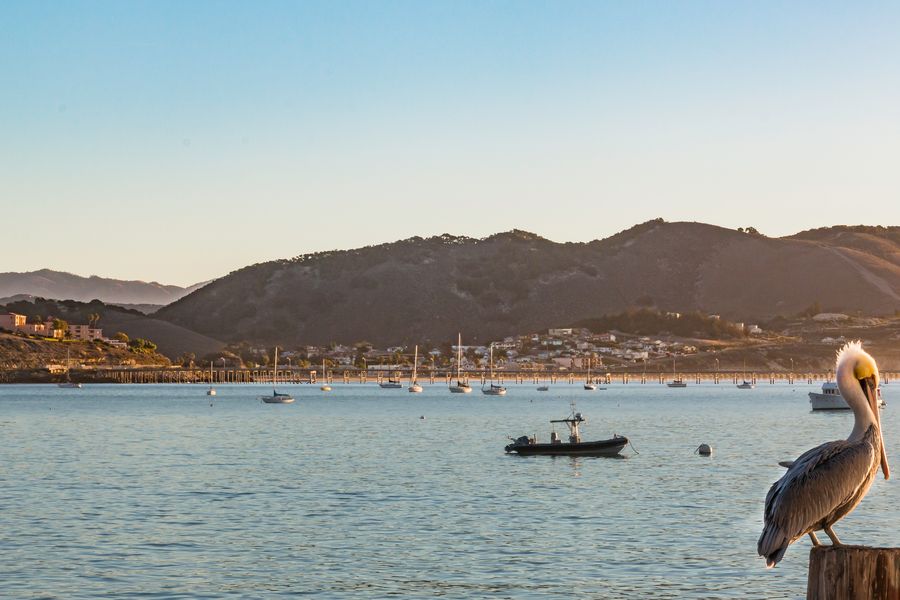
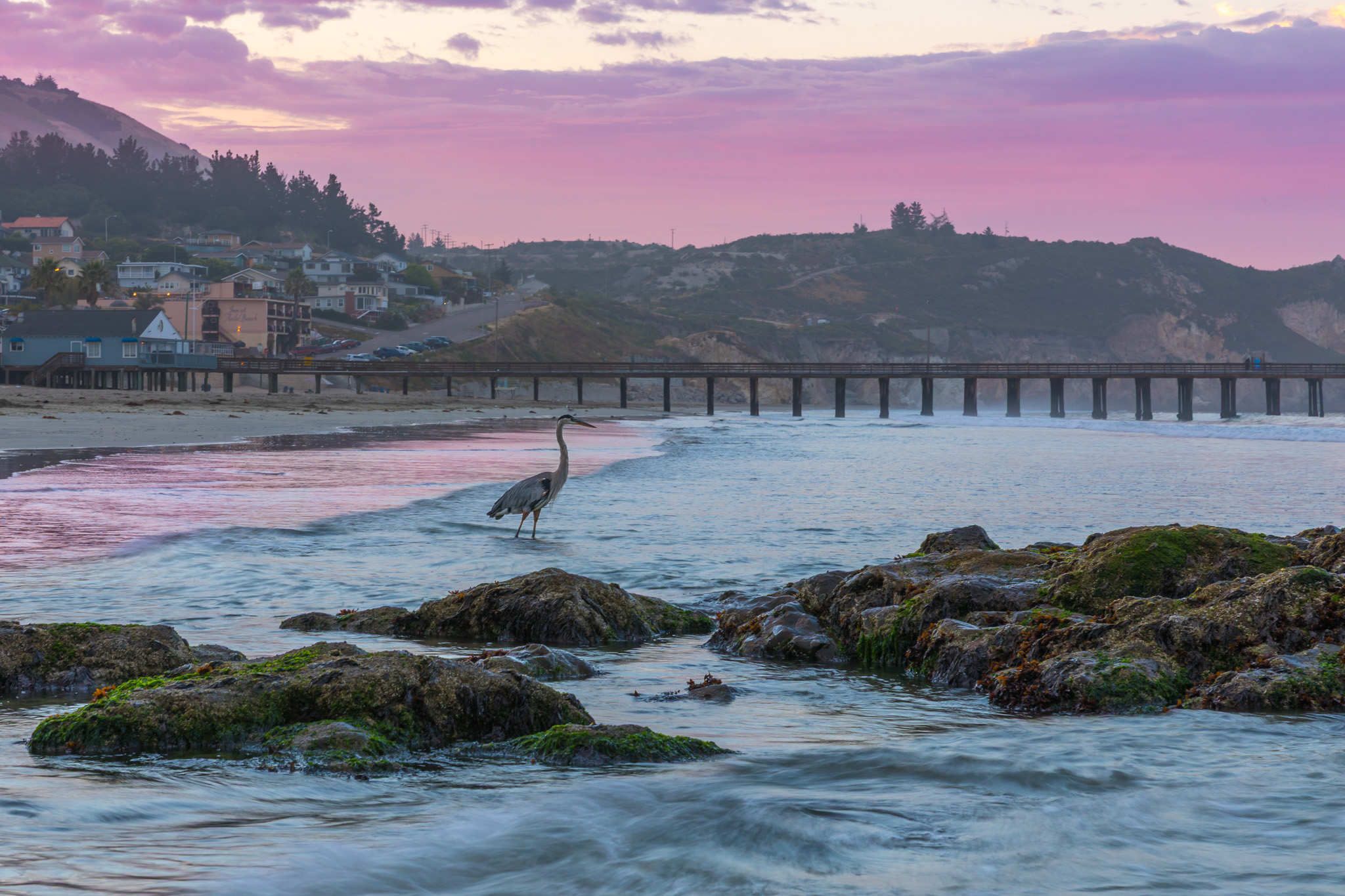
Pelicans on the pilings, herons and egrets wading at sunrise, and thousands of seabirds when the anchovies come in. Avila Beach is a designated bird sanctuary.
Buy this print
- Common birds
- Brown pelicans, great blue herons, egrets, black oystercatchers, gulls, cormorants
- Best spots
- Port San Luis, the beach at low tide, Bob Jones Trail
- Best time
- Early morning
- Bird sanctuary
- Avila Beach, designated by the county in 2013
For a small town, Avila gets a lot of birds. Brown pelicans sit on the pilings at Port San Luis, great blue herons and egrets stalk the shallows under the Avila Pier at first light, and when bait fish fill the bay, thousands of seabirds pile in to feed.
Where to look
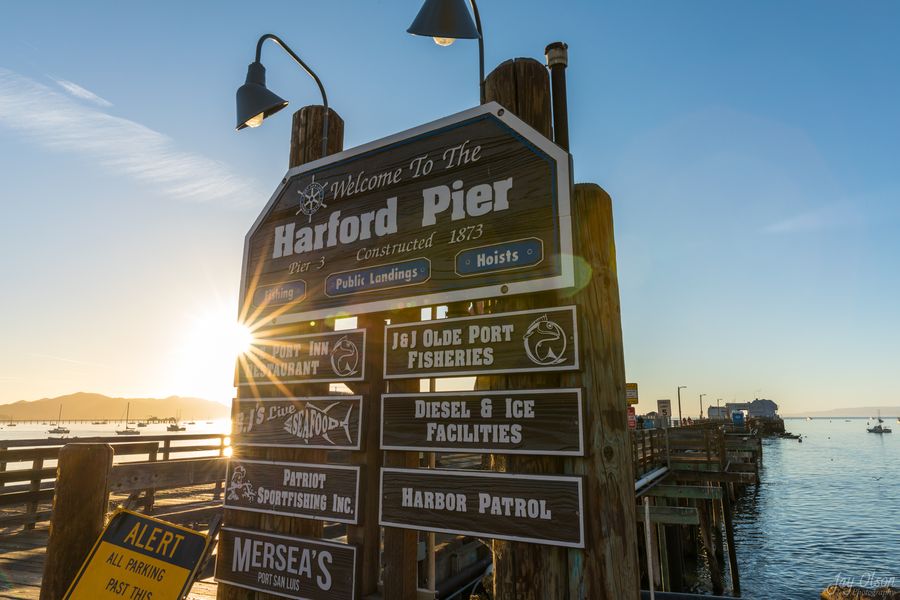
- Port San Luis and Harford Pier. Pelicans perch on the pilings and the small landings, gulls and cormorants line the docks, and seabirds work the water around the boats. See Harford Pier and Port San Luis.
- The main beach at low tide. Great blue herons and egrets feed along the waterline and around the pier pilings. Shorebirds run the wet sand at the edge of the waves, and black oystercatchers work the mussel-covered rocks by the pier. Check the tide table and go early.
- Out in the bay. Whale watching trips from Harford Pier regularly report thousands of seabirds feeding with the whales, including shearwaters, pelicans, cormorants and murres. See Whale Watching.
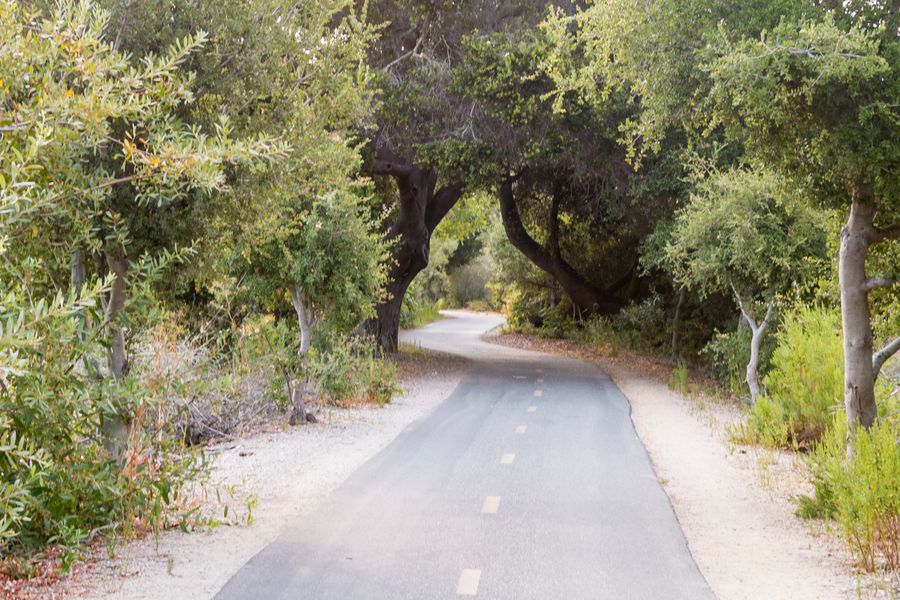
- The Bob Jones Trail. The flat, paved path runs from creek habitat to the sand at Avila. Look for acorn woodpeckers, black-crowned night-herons and birds that live along the creek. See Bob Jones Trail.
Brown pelicans
The brown pelican is the bird most people picture in Avila. Adults are large and dark gray-brown with white on the head and neck, and they can weigh up to 8 pounds with wings spanning more than 7 feet.
The Avila Beach Bird Sanctuary
Local resident Shirley Goetz started a campaign in 2010 to protect the birds that nest and pass through Avila, especially cliff swallows, which are protected under the Migratory Bird Treaty Act. The Port San Luis Harbor District backed the idea in May 2013, and on December 3, 2013, the San Luis Obispo County Board of Supervisors designated Avila Beach a bird sanctuary. Signs went up at the two main entrances to town on Avila Beach Drive in 2014, with another on the Bob Jones Trail.
The sanctuary is a designation, not a fenced preserve, so the whole town is the sanctuary. The annual Bird Sanctuary Day events have been suspended.
Watching birds without disturbing them
Keep back far enough that birds keep feeding or resting. Walk around flocks on the sand rather than through them, keep dogs leashed, and never feed gulls or pelicans. See Avila with dogs for where dogs are allowed.
Local tips
- Go at sunrise, when the herons and egrets feed along the waterline and the beach is empty.
- Watch the water when anchovies are in. Pelicans, gulls and shearwaters pile into the bait balls.
- Walk the Bob Jones Trail for a change from seabirds: creek and woodland birds live along the way.
- Give birds room. If they stop feeding to watch you, you're too close.
Frequently asked questions
What birds can you see in Avila Beach?
Brown pelicans, great blue herons, egrets, gulls, cormorants and shorebirds along the beach, and shearwaters out in the bay. Along the Bob Jones Trail you can see acorn woodpeckers and black-crowned night-herons.
Is Avila Beach a bird sanctuary?
Yes. The San Luis Obispo County Board of Supervisors designated Avila Beach a bird sanctuary in December 2013, with a focus on migratory birds like cliff swallows. Signs mark the two main entrances to town.
Where can I see pelicans in Avila?
On the pilings and docks at Port San Luis and Harford Pier, and diving into the waves in front of the beach.